The Case Against Pessimism
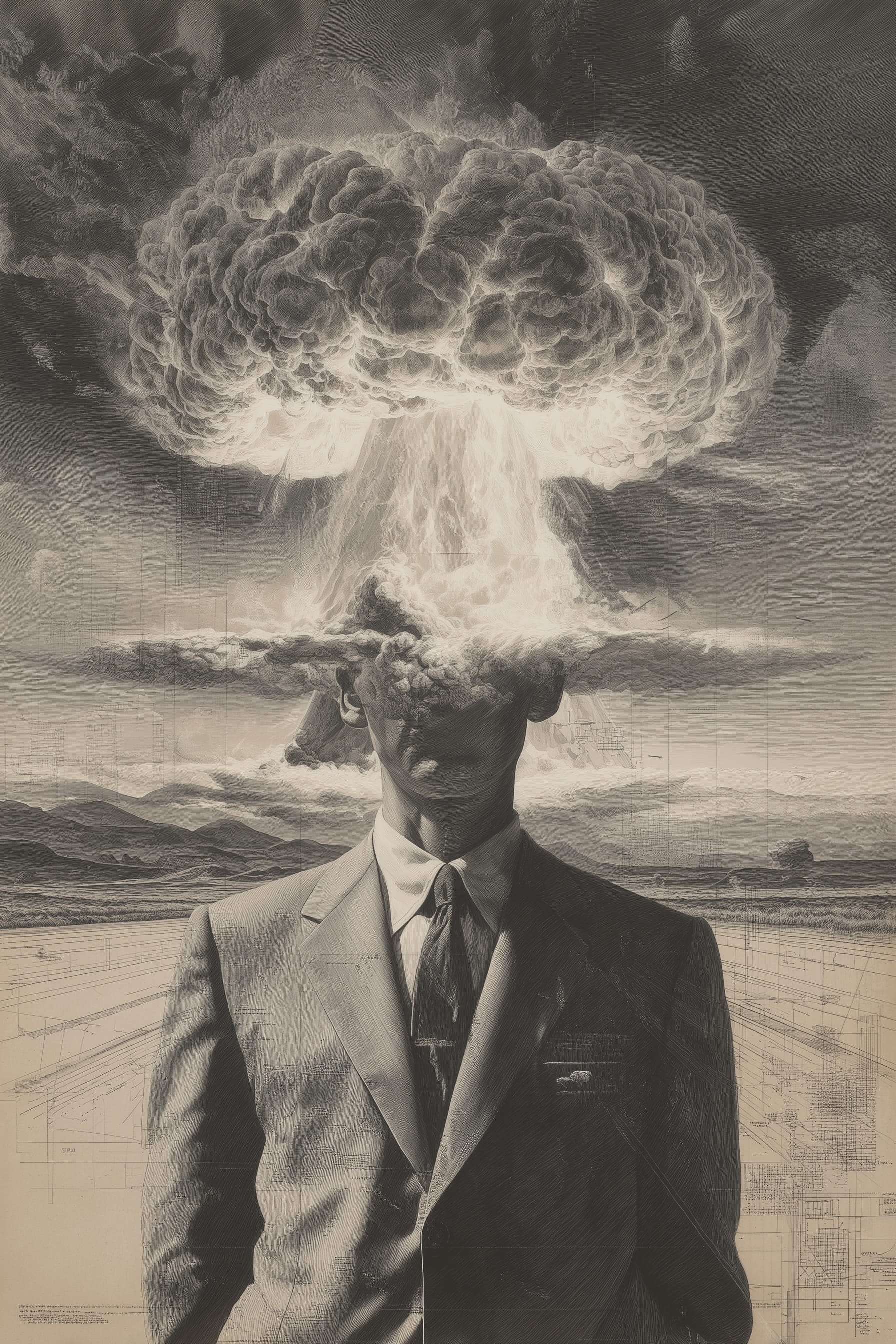
Things don't fundamentally get better or worse. They're just paradoxically disappointing but structurally acceptable.
That's why there will always be something to do. And that's why pessimism is useless.
We're sold two narratives about the world.
The first: progress. Everything is getting better. Technology, health, wealth — all trending up. Just wait. The future is bright.
The second: decline. Everything is falling apart. Climate, politics, society — all collapsing. Brace yourself. The end is near.
Both are wrong.
I've built companies that grew and companies that died. I've seen fortunes made and fortunes lost. And here's what I've noticed: the water level stays roughly the same. It just moves from one place to another.
Solve a problem here, create one there. Win a battle, lose a different one. The net position barely changes — it just shifts.
Paradoxically disappointing.
Whatever you achieve, there will always be a gap between what you hoped for and what you got. This isn't a bug. It's the structure of reality.
You will never reach the point where everything is fixed. That moment doesn't exist. The gap is permanent.
Structurally acceptable.
And yet — the floor holds. It doesn't collapse. People adapt, build, start over. The system absorbs the shocks.
The logical consequence?
There will always be something to do. Always a problem to solve, a void to fill, something to improve. The construction site never closes.
The pessimist sees the disappointment and stops.
The builder sees the same disappointment and thinks: well, that's one more thing I can work on.
I know which one I'd rather be.
No spam, no sharing to third party. Only you and me.